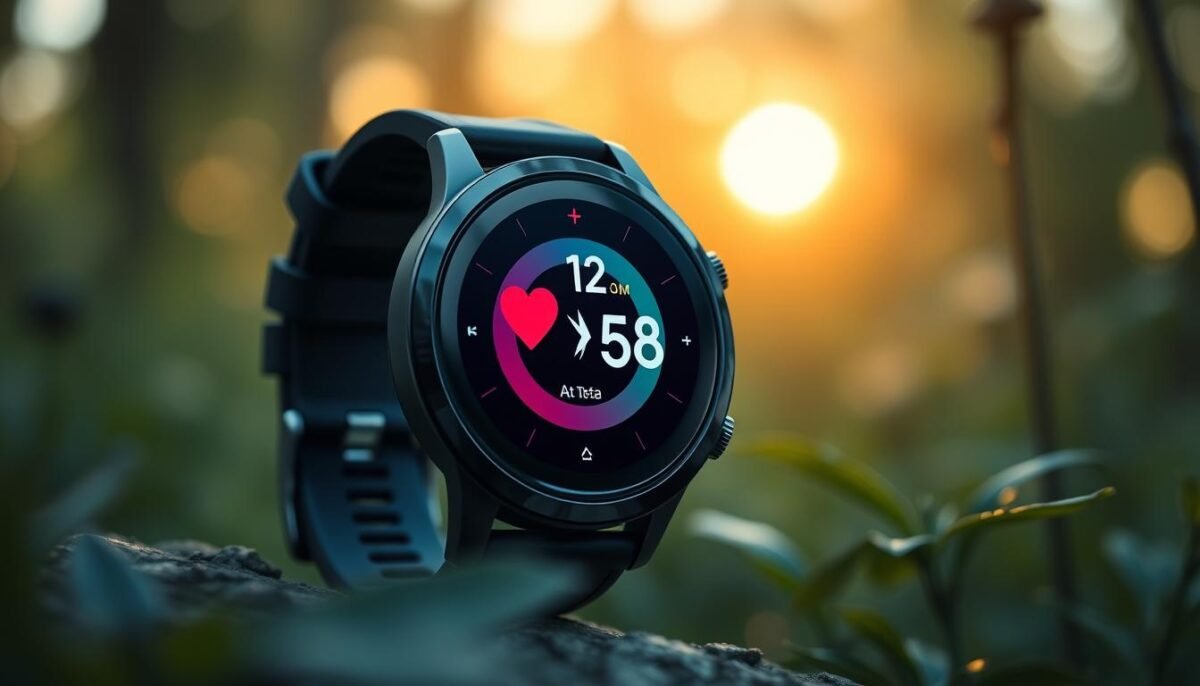
Wearable Devices & Health Tech are no longer just about counting steps. They've silently transformed from niche fitness gadgets into sophisticated, proactive health companions, embedding themselves into the fabric of our daily lives. Imagine a tiny, unassuming device on your wrist, finger, or even inside your clothing, tirelessly monitoring your body’s intricate signals, offering insights that were once the exclusive domain of medical labs. This isn't science fiction; it's our present, and the future is even more integrated and intelligent.
These compact marvels are giving us an unprecedented window into our well-being, moving us from reactive illness management to proactive health stewardship. They're helping us spot trends, manage energy, optimize recovery, and build a truly holistic understanding of our personal health.
At a Glance: Your Guide to Wearable Devices & Health Tech
- Beyond Fitness: Modern wearables monitor stress, heart health, sleep, metabolism, and hormonal changes, far exceeding basic step counting.
- Proactive Insights: They provide continuous biometric data for early detection of health trends, aiding prevention and long-term wellness.
- Heart & Mind Guardians: ECG, HRV, blood pressure, oxygen saturation, and sleep apnea flags are now common, alongside stress and recovery tracking.
- Women's Health Support: Specialized devices track fertility, ovulation, and menopause symptoms like hot flashes and sleep disturbances.
- The Future is Here (Soon): Expect smart patches, clothing, and even contact lenses monitoring glucose, hydration, and vital signs.
- AI as Your Health Co-Pilot: Artificial intelligence will deliver real-time, personalized insights and predictive health recommendations.
- Integration is Key: Wearables will seamlessly connect with telehealth platforms and smart home ecosystems for a truly connected health experience.
- Data Privacy Matters: Understanding how your health data is used and secured is paramount before adopting these technologies.
Beyond Fitness Trackers: The Evolution of Wearable Health Tech
Remember when "wearable tech" meant a bulky pedometer or a rudimentary heart rate monitor? That era feels quaint now. Today’s Wearable Devices & Health Tech are sleek, sophisticated, and deeply integrated into our lives, designed not just for gym enthusiasts but for anyone seeking a clearer picture of their daily health. They’ve evolved from simple activity logs to sophisticated health sentinels, tracking everything from the subtle nuances of your heart rhythm to the ebb and flow of your stress levels.
This isn't just about logging data; it's about providing continuous, real-time insights that empower you. These devices help identify patterns, manage chronic conditions, and nudge you towards healthier choices before problems escalate. They are becoming our quiet partners in wellness, offering a personalized narrative of our health story, day by day, moment by moment.
What Can These Tiny Companions Actually Track?
The range of biometric data collected by modern wearables is genuinely impressive, moving beyond simple metrics to offer a holistic view of your physiological state. Let's delve into some key monitoring capabilities.
Guarding Your Heart & Mind
Your heart and brain are the command centers of your body, and new health tech offers unprecedented insight into their daily rhythms.
- Heart Health:
- ECG & Arrhythmia Detection: Devices like the Apple Watch Series 10 use built-in ECG (electrocardiogram) sensors to classify atrial fibrillation (AFib) and normal sinus rhythm, offering critical early warnings.
- Irregular Heartbeat Monitoring: Photoplethysmography (PPG) algorithms, common in devices like the Fitbit Charge 6, continuously detect irregular heart intervals, flagging potential issues that warrant medical attention.
- Blood Pressure Trends: While most wearables don't offer medical-grade blood pressure readings yet, devices like the Samsung Galaxy Watch 7 can track trends, and specialized wearables such as the Omron HeartGuide offer accurate, on-the-go blood pressure monitoring.
- Oxygen Saturation (SpO2): Monitoring blood oxygen levels, especially during sleep, can flag conditions like sleep apnea. The Samsung Galaxy Watch 7 and Apple Watch are examples of devices offering this feature.
- Heart Rate Variability (HRV): This often-overlooked metric, tracked by devices like the Oura Ring 4 and WHOOP Band 4.0, measures the variation in time between heartbeats. A higher HRV generally indicates a well-balanced nervous system and good recovery, while a lower HRV can suggest stress or overtraining.
- Mental Well-being & Recovery:
- Strain & Recovery: Wearables like WHOOP Band 4.0 focus heavily on tracking your daily physiological strain and providing personalized recovery recommendations, helping you prevent burnout or overtraining.
- Stress Detection: Skin conductance sensors, found in devices like the Fitbit Charge 6 (via EDA scans), detect small electrical changes on your skin, which can indicate stress levels, offering early insights into your mental state.
- Mindfulness & Focus: EEG headbands are emerging to guide meditation practices, providing real-time feedback on brainwave activity. Devices like the Sensate use infrasonic sound waves to stimulate the vagus nerve, which can reduce anxiety and stress, illustrating benefits of meditation for stress reduction and relaxation tech. The Tonino Lamborghini SuperBrain Edition (Frenz Brainband) even offers a "Focus mode" for daytime cognition, tracking real-time Focus scores, providing a fascinating look into how biofeedback works at a consumer level.
- Sleep Quality: Nearly all advanced wearables track sleep stages (light, deep, REM), disturbances, and overall sleep efficiency, providing a foundational metric for overall health and recovery.
Empowering Women's Health Journeys
Wearable technology is making significant strides in supporting women's reproductive health, offering personalized insights into cycles and life stages.
- Fertility & Cycle Awareness:
- Ovulation Tracking: Fertility-focused wearables meticulously track ovulation windows and promote greater cycle awareness. By continuously monitoring basal body temperature (BBT), devices like Tempdrop, a wearable patch, offer precise ovulation prediction, far more reliable than traditional methods.
- Hormonal Changes: Integrated apps, often paired with rings or bracelets, combine heart rate, skin perfusion, and temperature data to provide a comprehensive picture of cycle phases, aiding family planning or simply better understanding your body. Apps like Clue and Oura integrate with these devices to offer tailored insights.
- Menopause Monitoring: Wearables are also proving invaluable for women navigating menopause. They can highlight sleep disturbances, track the frequency and intensity of hot flashes, and monitor other vasomotor symptoms, providing objective data that can be shared with healthcare providers to better manage this significant life transition.
The Road Ahead: The Future of Wearable Health Devices (2026 and Beyond)
The wearables we know today are just the beginning. The next few years promise an explosion of innovation, pushing the boundaries of what's possible in personal health monitoring.
Invisible Tech & New Metrics
Future wearables will largely move beyond the traditional watch or ring form factor. Imagine:
- Smart Patches: Thin, discreet patches that adhere to the skin, continuously monitoring a wider array of metrics, including glucose levels (a game-changer for diabetics), hydration status, and a full suite of vital signs.
- Smart Clothing: Fabrics embedded with biosensors that track movement, posture, respiration, and even muscle activity without you ever feeling a distinct "device."
- Smart Contact Lenses: While still largely in the research phase, these could one day monitor tear fluid for glucose levels or even detect early signs of eye diseases.
The goal is to make health monitoring seamless, comfortable, and nearly invisible, integrating it into your everyday attire and activities without conscious effort.
AI: Your Personalized Health Co-Pilot
Artificial intelligence is set to revolutionize how we interact with our health data. Instead of simply presenting raw numbers, AI will:
- Provide Real-time Personalized Insights: AI algorithms will analyze your continuous biometric data against vast datasets and your personal history, offering highly individualized interpretations. For instance, an AI might tell you, "Your HRV is unusually low for a Tuesday, suggesting accumulated stress from your work week. Consider a 20-minute relaxation exercise before bed."
- Offer Proactive Health Recommendations: Beyond insights, AI will suggest actionable steps. This could range from optimizing your sleep schedule based on predicted fatigue to recommending specific exercises or dietary adjustments to mitigate risk factors. This shift towards predictive and preventive health is monumental. If you're curious about getting started with AI in your own life, understanding these applications is a great first step.
- Early Anomaly Detection: AI will excel at identifying subtle shifts in your data that could signal the onset of an illness or a developing chronic condition, prompting you to consult a doctor much earlier than you might otherwise. However, with this power comes responsibility, and we must also consider the ethical implications of AI in healthcare.
Integration with Your World
The future of health tech isn't just about individual devices; it's about a connected ecosystem.
- Telehealth Platforms: Wearable data will feed directly into telehealth platforms, allowing doctors to monitor patients remotely, track recovery post-surgery, or manage chronic conditions with continuous, objective data.
- Smart Home Ecosystems: Your smart home could become an extension of your health ecosystem. Imagine your smart thermostat adjusting the temperature for optimal sleep based on your wearable's data, or your smart lights mimicking sunrise to gently wake you based on your sleep cycle. For insights on choosing the right smart home devices, consider how they might integrate with your future health tech.
- Environmental Monitoring: Future wearables might integrate environmental sensors, correlating your biometric data with air quality, pollen counts, or even noise levels to provide a truly holistic health picture.
A Glimpse into Tomorrow: CES 2026 Wellness Gadgets
The annual Consumer Electronics Show (CES) is a crystal ball for future tech, and CES 2026 showcased some truly innovative wellness gadgets that exemplify these trends.
Innovative Solutions for Age & Accessibility
- Tombot Jennie: This emotional support robot puppy, designed for seniors with dementia, stood out as a winner of Best Age Tech. Priced at $1,500 and launching in 2026, Jennie uses sensors and motors to deliver realistic responses like head turns, barks, and tail wags, offering comfort and companionship.
- Dephy Sidekick: A top assistive tech innovation, these exoskeleton sneakers feature removable robotic calf muscles that lift heels, making walking easier for individuals by analyzing gait and providing battery assistance. With prices starting at $5,000 and launching in summer 2026, they represent a significant leap in mobility support.
- Smart Hip Guardian: Set to launch in 2026, this belt for seniors detects falls and deploys airbags within a remarkable 0.2 seconds, offering a proactive solution to prevent hip fractures, a common and devastating injury among the elderly.
Targeting Specific Health Concerns
- Allergen Alert: A winner of Best Startup, this portable device can detect 10 common food allergens (eggs, fish, gluten, milk, peanuts, sesame, shellfish, soy, tree nuts, wheat) within just 2 minutes from a food sample. Priced at $399 and shipping in Q1 2026, it offers peace of mind for those with severe allergies.
- Petal: Slated for beta devices in Q2 2026 and general availability in Q3 2026, Petal is a bra-insert health tracker. It uses bioelectrical impedance analysis (BIA) to measure BMI, breathing, heart rate, and HRV, aiming for early anomaly detection for heart and breast cancer—a truly groundbreaking application of wearable tech.
Enhancing Daily Well-being
- SunBooster: Attaching to screens, this device emits invisible near-infrared (NIR) light to stimulate energy production and improve mood, offering health benefits similar to natural sunlight indoors. Priced at $149 and shipping in Q2 2026, it's a creative solution for combating indoor fatigue.
- Sensate: This non-invasive chest device, priced at $299, uses infrasonic sound waves via bone conduction to stimulate the vagus nerve. This process is designed to reduce anxiety/stress and improve digestion, heart health, and breathing, offering a novel approach to well-being.
- Tonino Lamborghini SuperBrain Edition (Frenz Brainband): This brainwave-tracking wearable, launching in Q2 2026 (Frenz Brainband is $499), utilizes AI-powered audio for sleep and a "Focus mode" for daytime cognition, tracking real-time Focus scores within a stylish design.
Choosing Your Wearable Health Tech: What to Consider
With such a vast and rapidly evolving market, selecting the right Wearable Devices & Health Tech can feel overwhelming. Here's a framework to help you make an informed decision:
Accuracy & Validation
This is paramount. While no consumer device can fully replace medical equipment, look for products that:
- Cite Clinical Studies: Do manufacturers provide evidence or claim validation against medical standards?
- Are FDA-Cleared (where applicable): For functions like ECG or SpO2, FDA clearance (or equivalent regulatory approval) indicates a higher level of accuracy and reliability for medical purposes.
- Have Consistent Reviews: Check user reviews for consistent feedback on data reliability compared to other known measures.
Data Privacy & Security
Your health data is intensely personal. Before committing to a device, ask:
- How is my data stored and used? Read the privacy policy carefully. Is it anonymized? Sold to third parties?
- What security measures are in place? Look for encryption and robust data protection protocols.
- Do I have control over my data? Can you easily access, download, or delete your information? Understanding data privacy best practices is crucial here.
Integration & Ecosystem
Consider how the device fits into your digital life:
- Smartphone Compatibility: Is it compatible with your iOS or Android device?
- App Ecosystem: Is the companion app user-friendly, providing clear insights and actionable advice?
- Third-Party Integrations: Can it share data with other health apps, fitness platforms, or even your healthcare provider?
Comfort & Lifestyle Fit
You'll be wearing this device often, possibly every day, so comfort is key:
- Design & Material: Is it lightweight, hypoallergenic, and suitable for your daily activities (e.g., swimming, exercise)?
- Battery Life: How often will you need to charge it? Does it fit into your routine?
- Wearability: Do you prefer a watch, ring, patch, or something more discreet?
Cost vs. Value
Wearables range widely in price. Evaluate:
- Subscription Models: Many advanced wearables now come with monthly or annual subscriptions for full data analysis and insights. Factor this into your long-term cost.
- Features You'll Actually Use: Don't pay for features you don't need. Prioritize what's most important for your health goals.
- Longevity & Support: What's the warranty? How often are software updates provided?
Navigating the Wearable Landscape: Common Questions & Misconceptions
The excitement around Wearable Devices & Health Tech often comes with questions and misunderstandings. Let’s clear the air.
Can wearables replace my doctor?
Absolutely not. Wearable devices are powerful tools for self-awareness and monitoring, but they are not diagnostic instruments in themselves, nor can they provide medical advice. They can alert you to potential issues or trends, giving you data to discuss with your doctor. Always consult a qualified healthcare professional for diagnosis, treatment, and personalized medical advice. Think of your wearable as a helpful assistant to your doctor, not a replacement.
Are these devices truly accurate?
The accuracy varies significantly between devices and metrics. For general wellness tracking (steps, sleep stages), most reputable wearables are "accurate enough" for identifying trends. For more critical metrics like ECG or blood oxygen, look for devices that have undergone clinical validation or received regulatory clearances (like FDA approval in the U.S.). Even then, environmental factors, proper fit, and individual physiology can affect readings. It’s best to consider the data as insights for trends and potential flags, rather than precise medical measurements.
What about my data privacy?
This is a critical concern. Your health data is incredibly valuable and sensitive. Reputable companies typically use robust encryption and follow strict privacy policies. However, it's crucial for you to:
- Read the privacy policy of any device or app you use.
- Understand what data is collected, how it's used, and if it's shared with third parties.
- Be cautious about connecting your health apps to unverified third-party services.
For more details, make sure you understand data privacy best practices in the digital age.
How do I interpret all this data?
The sheer volume of data can be overwhelming. Focus on trends rather than single data points. Most wearable apps provide simplified dashboards and interpretations. If you're consistently seeing abnormal readings or concerning trends, that's your cue to talk to a healthcare professional. Don't self-diagnose based solely on wearable data. Many apps also offer educational resources or integrate with coaches to help you understand your metrics.
Making Wearable Tech Work for You: Practical Tips
To truly harness the power of Wearable Devices & Health Tech, a little intentionality goes a long way.
- Define Your Goals: Before buying, ask yourself: What specific health aspects do I want to track or improve? (e.g., better sleep, stress reduction, fitness, managing a chronic condition, fertility). This will narrow down your options significantly.
- Wear It Consistently: For accurate trend data, consistent wear is essential. Choose a device that’s comfortable enough to wear daily, even during sleep if you want comprehensive insights.
- Don't Obsess Over Numbers: It's easy to get caught up in daily fluctuations. Remember, one night of poor sleep or a day with low activity doesn't define your overall health. Look for patterns over weeks and months.
- Listen to Your Body First: Your wearable is a tool, not your master. If your device says you had a great night's sleep but you feel exhausted, trust your body. Use the data to complement your intuition, not override it.
- Use Insights for Action: The data is only useful if it inspires change. If your wearable flags high stress, consider integrating mindfulness practices. If your sleep quality is low, re-evaluate your evening routine.
- Discuss with Your Doctor: Bring your data to your medical appointments. It can provide valuable context for your doctor, potentially leading to more informed discussions and targeted recommendations.
- Stay Informed on Updates: Wearable tech is constantly evolving. Keep your device's software updated to access new features, improved accuracy, and security patches.
Your Proactive Health Journey Starts Now
The landscape of Wearable Devices & Health Tech is vibrant, innovative, and rapidly transforming how we approach personal well-being. From guarding your heart and mind to empowering women's health journeys, these compact companions are shifting the paradigm from reactive sickness to proactive wellness. The future promises even deeper integration, smarter AI, and increasingly invisible technology that monitors more metrics than ever before.
By understanding what these devices can do, how to choose wisely, and how to interpret their insights responsibly, you can leverage them to become an active participant in your own health story. Whether you're aiming for better sleep, reduced stress, optimized training, or simply a clearer picture of your daily physiology, wearable health tech offers a powerful lens. It’s time to embrace these tools and discover if its worthwhile to step into a future where your health journey is more informed, more personal, and more proactive than ever before.